
Designing Investable Digital Assets
A Blueprint Beyond Speculation!

Warren Buffett has been consistent for decades: assets are investable when they produce cash flows, enforceable rights, and durable economic value, not when they rely on resale optimism. Rather than arguing with that framework, this post accepts it.
What follows is a blueprint for designing digital assets that can meet those standards. By separating speculation from infrastructure and examining how accounting, controls, and legal enforceability shape value, I outline the pathways through which parts of the crypto ecosystem can be engineered into genuinely investable assets that deliver economic substance and satisfy the standards of even the most disciplined long-term investors.
In other words, this is a blueprint for moving digital assets from hype to infrastructure, from tokens to claims, and from volatility to value.

1. Stablecoins as Settlement Infrastructure
Stablecoins are the clearest example of where crypto becomes economically meaningful once the unit of analysis shifts away from the token and toward the system that uses it. In their mature form, stablecoins function as programmable settlement instruments, and they become investable only when they are treated as settlement technology, not price exposure.
In other words, stablecoins are digital representations of fiat value that move instantly, globally, and continuously. Their economic value lies in what they replace: correspondent banking delays, trapped liquidity, FX friction, and reconciliation overhead.
When designed properly, with regulated issuance, transparent reserves, and redemption certainty, stablecoins are not speculative assets but operational infrastructure.
Why This Can Be Investable
Stablecoin-based settlement can be thought of as an investable asset class when it meets three conditions:
Control and Utility
The entity controls the stablecoins and uses them as part of its ordinary operating cycle (payments, treasury, settlement), not for trading.Measurable Economic Benefit
The system produces identifiable benefits such as:Faster cash settlement and shorter cash-conversion cycles
Traditional cross-border payments can take 1–3 business days (sometimes longer) because banks need to verify, route, and reconcile payments through multiple intermediaries. Stablecoins on the other hand, allow near-instant settlement on-chain. The measurable benefit here is that recipients get access to funds faster, reducing liquidity bottlenecks, improving working capital, and freeing cash for other investments.
Lower transaction, FX, and correspondent banking fees
Banks charge fees for sending money across borders, exchanging currencies, and using intermediary banks. Using stablecoins for payments can bypass many intermediaries, reducing these fees and the associated operational costs.
Reduced need for pre-funding and trapped liquidity
Normally, banks require you to pre-fund accounts in multiple jurisdictions (e.g., you need USD in a U.S. account, EUR in a European account). With stablecoins, you can move funds on-demand without maintaining multiple pre-funded accounts. This ensures that capital isn’t sitting idly but can be deployed productively elsewhere.
Improved treasury visibility and control
The underlying blockchain of the settlement infrastructure provides real-time tracking of cash flows and balances which enables treasurers to reconcile accounts automatically, detect anomalies faster, and optimize liquidity management. This facilitates better decision-making, and more efficient capital allocation.
Durability and Repeatability
The benefit persists as long as the payment rail is used. This is not a one-off gain, (as is the case when a stablecoin is sold) but a recurring operational advantage, similar to adopting a superior payments network or treasury management system.
In other words, the investable asset is the settlement capability, not the stablecoin balance itself; the economic benefit comes from measurable gains in cash management, cost reduction, and financial efficiency, not token price appreciation.
Why This Survives Buffett’s Lens
Buffett dislikes assets that rely on resale to generate returns. Stablecoin settlement infrastructure does not. Based on its capabilities, the stablecoin settlement infrastructure is directly analogous to ERP systems, treasury management platforms and payments infrastructure upgrades. The infrastructure therefore generates value by reducing costs, improving capital efficiency and enhancing control over cash
The return isn’t price appreciation; it’s operational yield. That distinction matters. When stablecoins are stripped of their trading narrative and embedded into real financial systems, their economics stop looking speculative and start looking like finance.
2. Custody & Control: Making Ownership Real
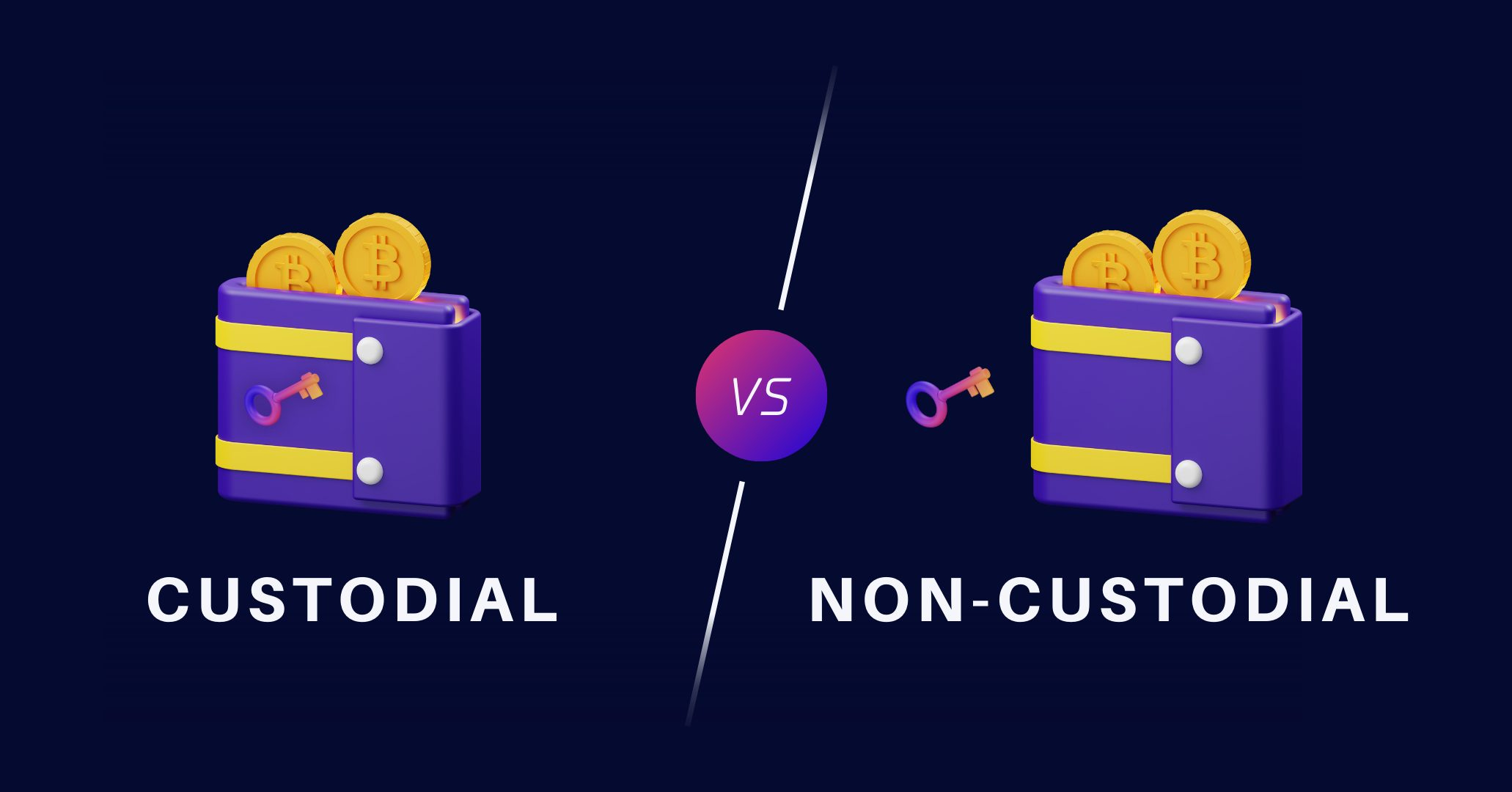
If crypto fails institutionally, it ie because it fails at custody. Custody infrastructure becomes investable when it converts cryptographic control into legally recognizable, auditable, and recoverable ownership. The asset in this scenario constitutes:
Institutional custody platforms
Key-management systems
Recovery and succession governance frameworks
Disaster recovery
Control environments that satisfy audit standards
Why This Can Be Investable
Custody becomes an investable asset because it creates measurable economic benefits independent of token speculation:
Fee-Generating Capability: Platforms can charge clients for secure storage, access to multi-signature or cold-wallet infrastructure, and transaction services. These fees create recurring cash flows.
Loss Prevention and Risk Mitigation: Proper custody reduces operational losses, fraud, and mismanagement. Avoided costs are real economic value, which can be quantified and tracked.
Enabling Institutional Adoption: Many institutions will not engage with crypto without verifiable custody. The platform effectively unlocks new capital flows, which translates into revenue streams for service providers.
Auditability and Compliance: Systems that satisfy regulatory and audit requirements are a competitive moat. This economic moat is an intangible asset, because it ensures continued client trust and long-term revenue potential.
Why This Survives Buffett’s Lens
In short, the investable asset is the custody platform itself, not the tokens it holds, with value derived from operational utility, risk reduction, and predictable revenue rather than speculation. As infrastructure, it enables institutional participation, reduces operational risk, and supports compliance thus delivering durable, monetizable economic value.
3. Ledgers & Record-Keeping
Blockchains excel at tamper-resistant, verifiable record-keeping, which is often overlooked in discussions about crypto speculation. Unlike tokens or speculative projects, this infrastructure has direct economic utility and measurable operational value. The asset here is the infrastructure itself, comprising:
Shared, append-only ledgers that immutably record transactions
Robust audit trails and verification systems ensuring transaction integrity
Data integrity and reconciliation platforms that support reliable reporting
Integration frameworks connecting blockchain activity with accounting, ERP, and regulatory systems
Why This Can Be Investable
Ledgers become investable when they deliver measurable improvements to financial control, risk management, and operational efficiency:
Operational Cost Reduction – Immutable ledgers reduce reconciliation workloads, manual entry errors, and the need for duplicate records. Firms can quantify labor and time saved as economic benefit, which is investable.
Audit and Compliance Value – Ledgers that provide verifiable, immutable trails simplify audits, improve regulatory reporting, and reduce penalties from misstatements. Cost avoidance and compliance reliability translate into measurable value.
Decision-Support Capability – High-integrity, real-time ledgers enable better decision-making: faster financial close, improved liquidity management, and more accurate risk assessment. These capabilities are capitalizable as operational intangibles.
Interoperability with Other Systems – When ledgers integrate with custody, programmable finance, or tokenized assets, they increase the economic throughput of the platform. The more foundational the ledger, the broader the impact on downstream cash flows and risk mitigation.
Why This Survives Buffett’s Lens
The value lies in structural efficiency, not speculative upside. Blockchain-based ledgers deliver measurable economic benefits through lower reconciliation and back-office costs, faster audits, reduced audit risk, and improved data integrity, cut-off accuracy, and transparency. In substance, I believe these systems function like next-generation ERPs, trade repositories, and settlement ledgers, except with built-in tamper resistance and shared truth across counterparties.
There is no reliance on resale momentum or token appreciation. The asset’s value comes from cost savings, risk reduction, and operational reliability; the same qualities Buffett favors in boring but indispensable infrastructure.

4. Programmable Finance
Smart contracts are the automation layer of crypto, but their value depends entirely on how they are designed and used. Like any infrastructure, they become investable when they deliver measurable economic benefits rather than speculative gains. In other words, when they codify rules, not reflexes. Within this context, the asset encompasses:
Automated contract templates enforcing escrow logic, collateral calls, margin thresholds, or settlement conditions
Governance and compliance frameworks embedded in the codes
Verification and monitoring platforms ensuring contracts execute as intended
Integration layers with custody, payment rails, or tokenized securities
When these are explicit and bounded, there is a reduction in operational risk. When circular or reflexive, they amplify it. Though this video is a few years old, I still reference it periodically for how lucidy it explains the mechanism:
Why This Can Be Investable
Smart contracts become investable when they generate operational efficiency, risk mitigation, or predictable economic outcomes, all of which I expand upon below:
Operational Efficiency: Automation reduces manual processing costs, eliminates delays, and prevents errors in payment, settlement, or collateral management. The time and labor saved can be quantified and capitalized.
Risk Reduction & Compliance: Contracts that enforce rules automatically reduce counterparty, settlement, and operational risk. By limiting breaches, defaults, or disputes, they create measurable cost avoidance which is a real economic benefit.
Predictable Cash Flow Integration: When smart contracts are linked to revenue-generating activities (e.g., programmable fees, interest on collateral, or automated settlement of receivables), the cash flows are direct, observable, and attributable to the infrastructure.
Auditability & Transparency: Fully verifiable execution reduces auditing costs and enhances confidence for regulators and institutional investors. Reliable execution is itself a value-generating service.
Why This Survives Buffett’s Lens
As I’m sure you’ll agree, the value of smart contracts lies in their predictable, enforceable, and auditable execution, rather than any fluctuations in token price. By automating business rules and processes, they deliver tangible economic benefits: lower operational costs, reduced human error, and faster, rules-consistent execution; in short, infrastructure that creates real value without relying on market hype.
5. Tokenization (When the Token Is the Wrapper, Not the Asset)
Tokenization becomes powerful when it digitizes the ownership and settlement of an underlying asset with real economic substance, rather than creating speculative value from the token itself. In this framework, the token serves as a wrapper, not the source of economic value, thus ensuring that income is tied to real economic activity, not speculative trading.
Properly structured, tokenized assets can deliver investable economic benefits, provided the legal claims, cash flows, and enforceability are clear.
What is the asset?
The underlying security or claim
Any tokenization infrastructure (i.e., software, governance systems, settlement rules) that improves settlement and administration
Example: A token representing a basket of rental properties could allow holders to claim pro-rata rental income distributions. The token itself isn’t generating revenue; the properties are. The platform managing these tokens can capitalize development costs (governance, smart contracts, reconciliation systems), while token holders participate in real cash flows, making it a genuine investable asset.
Why This Can Be Investable
A tokenized asset is investable when:
Underlying Cash Flows Exist: Tokens represent claims on equity, debt, revenue shares, treasuries, fund interests, receivables, or real estate. Economic benefit therefore flows from the underlying asset, not from trading the token.
Legal and Operational Certainty: This is when rights are clearly defined and enforceable off-chain. Embedding governance and compliance frameworks within the underlying token infrastructure ensures holder protections, dispute resolution, and auditability.
Liquidity and Settlement Are Managed: While secondary markets exist for the wrapped tokens, value doesn’t rely on the hype, but the underlying asset instead. Ensuring that the infrastructure facilitates timely settlement also reduces counterparty and operational risk.
Why This Survives Buffett’s Lens
Ownership claims are real, enforceable, and cash-flow-generating.
Tokens function as efficient infrastructure, lowering friction and improving transparency.
Investors gain exposure to the economic benefits of the underlying assets, not merely speculative resale value.
Mispriced tokens don’t destroy value if the underlying assets are solid; they simply create trading noise, which can be managed via accounting, custody, and risk controls.
6. Land: Upgrading the World’s Oldest Asset
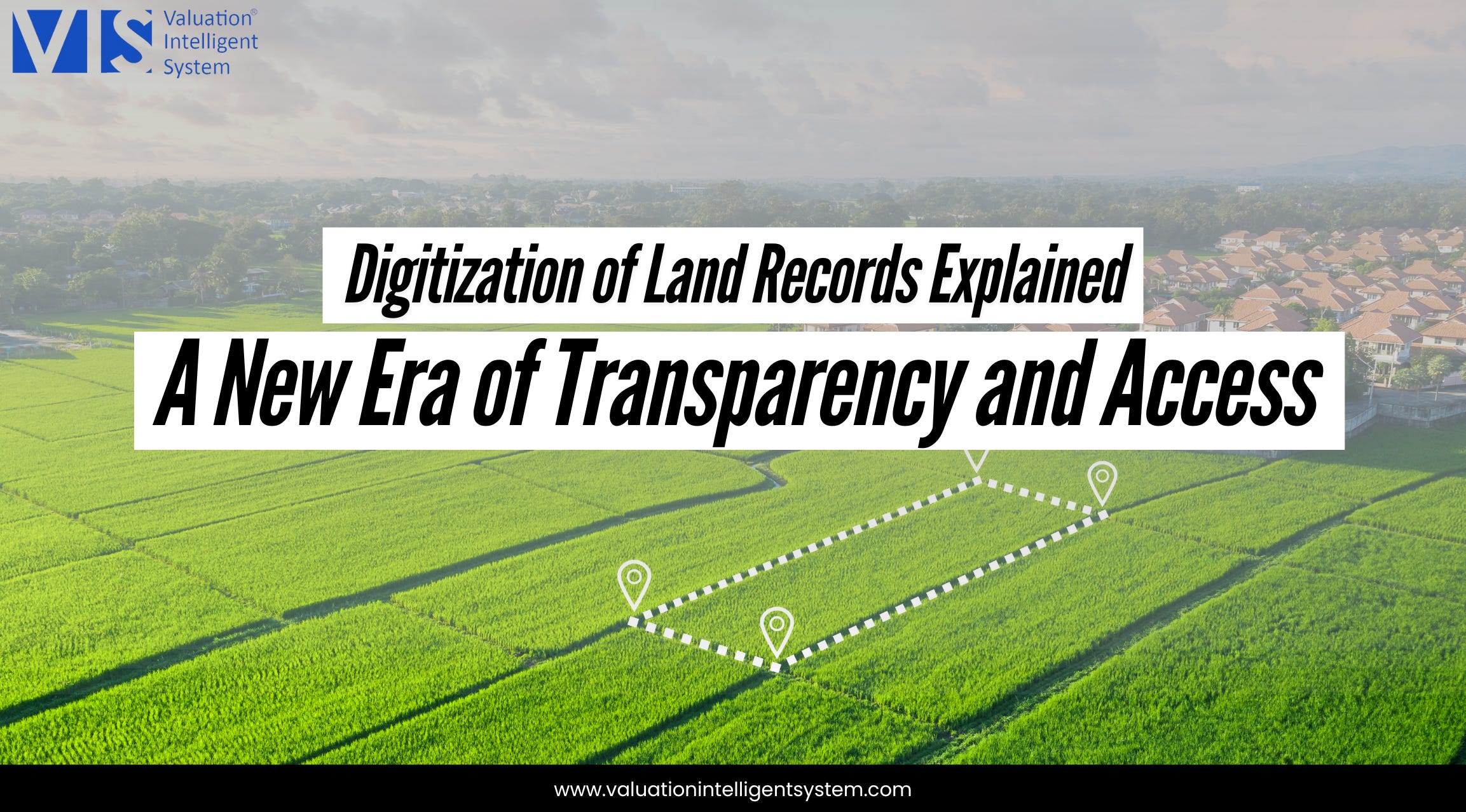
Land remains central to global finance precisely because it is immobile, collateralizable, and historically underdocumented. In many parts of the developing world for example, the process for determining land title is fragmented, opaque, and slow. Its value and risk therefore stem not from the physical soil itself, but from the clarity (or lack thereof) of claims, liens, and ownership rights.
Why This Can Be Investable
Crypto infrastructure becomes investable not by turning land into tradeable hype tokens, but by systematically improving the machinery of collateral, thereby reducing risk and increasing economic efficiency. I’ve outlined some examples of what such infrastructure could look like:
Digitized Land Registries: Immutable registries of ownership, encumbrances, and transfers provide verifiable title histories that serve as a trusted, auditable single source of truth, reducing property disputes and enabling reliable collateralization.
Collateral Tracking Systems: Transparent mapping of property used as security across lending markets. This allows lenders and investors to assess exposure and make informed credit decisions with real-time clarity.
Lien & Encumbrance Transparency Platforms: Automated verification of existing claims to prevent disputes or double pledging. By ensuring prior claims are visible, these platforms reduce legal risk and improve transaction confidence.
Cross-Border Ownership & Claim Infrastructure: Enables accurate, auditable recognition of property rights across jurisdictions. By harmonizing records internationally, it facilitates cross-border lending, investment, and economic mobility.
Why This Survives Buffett’s Lens
The investable asset is the system itself; that is the integrated combination of digital registries, collateral tracking, and governance frameworks. Its value is grounded in tangible economic benefits such as reducing title risk, improving credit underwriting, and lowering systemic friction in mortgage and lending markets.
By clarifying claims and enabling efficient, auditable transactions, this infrastructure transforms land from a source of uncertainty into a stabilizing force. In this way, crypto serves as a tool to capture real economic value, rather than a speculative instrument.
And an extra one in light of the ongoing hype:
7. Re-engineering Prediction Markets into Investable Assets
Given the recent buzz around tokenized prediction markets, it’s worth stepping back to understand what these markets are before diving into the infrastructure opportunity. At a high level, prediction markets allow participants to buy and sell outcome-based shares (for example, “Yes” or “No” on a future event), where prices reflect the collective probability assigned by the market. Traditionally, these instruments have been treated as speculative, hype-driven tokens, with interim value determined by tradability rather than underlying economic activity.
Imagine a market that lets people predict whether Bitcoin will go above $150,000 by the end of the year. There are two tokens: “Yes” and “No.” If most traders believe there is a 40 percent chance it will happen, the “Yes” token might trade for about 40 cents
As with the examples above, when integrated into a structured system, prediction markets can produce measurable, actionable information for hedging, strategic signaling, and probabilistic research, transforming them from speculative bets into investable assets. The value does not reside in any single tradeable outcome token or individual position (i.e., the bet), but in the repeatable information engine that systematically harvests market-implied probabilities, embedding them into decision-making systems to generate economic benefits such as improved pricing, reduced volatility, and superior capital allocation.

The Structural Shift: From Outcome Tokens to Information-Producing Assets
Instead of holding discrete “Yes/No” tokens to trade, an entity capitalizes a portfolio of prediction-market positions governed by a rules-based strategy, designed to extract probabilistic signals across multiple domains (i.e., regulatory risk, macro events, supply-chain disruption, energy prices, policy outcomes). Economically, this begins to resemble a quantitative research asset, or a risk-intelligence platform, rather than a wager.
The prediction markets become inputs, not products.
Why This Can Be Investable
This structure becomes investable when three conditions are met:
Repeatability: The strategy systematically deploys capital across prediction markets to generate ongoing probabilistic forecasts, not one-off wins. Value compounds over time through learning, calibration, and signal refinement.
Monetization Path: The information generated is monetized through:
Reduced hedging costs
Improved pricing of real assets
Better timing of capital deployment
Sale of probabilistic insights to third parties
Separation of Signal from Speculation: Positions are held to settlement to extract outcome accuracy, not traded for interim price appreciation. This removes exit-liquidity dependence and breaks the “greater fool” loop.
At this point, the asset is no longer the token, but the capability to consistently convert market beliefs into economic advantage. In other words, cash flows arise downstream, even if individual contracts settle to zero.
Balance Sheet Logic: What Gets Recorded?
Under this framework, the capitalized asset is best understood as an intangible asset arising from internally developed decision-support systems, akin to proprietary risk models, credit-scoring algorithms, pricing engines, and quantitative trading infrastructure
The prediction-market exposures themselves are inputs (expense or short-duration financial instruments). The aggregated system (i.e., the data, models, governance, and performance history) is the investable asset. Importantly:
Value is supported by cost to recreate, performance metrics, and observable economic benefit
The asset’s worth does not depend on resale of tokens
Volatility is managed, not monetized
Why This Survives Buffett’s Lens
Buffett would rightly reject outcome tokens as investments. But the structural precision of the methodology above better aligns with his deeper principle: invest in systems that produce durable economic advantage. The compounding engine here is not price appreciation, but decision quality. Prediction markets, when engineered this way, become closer to actuarial science than gambling. In other words, less casino, and more underwriting desk.
In this form, prediction markets stop being speculative assets and start functioning as productive capital: boring, disciplined, and quietly valuable.
Closing
Across every example, the same rule applies:
The investable asset is never the token. It is the system that produces durable economic benefit.
While I am admittedly biased, I believe that accounting doesn’t kill innovation; it disciplines it. When crypto products are designed so that value accrues through cash-flow improvement, risk reduction, or operational efficiency, they cease to be speculative instruments and begin to resemble infrastructure. This is because in financial architecture, structure shapes economic substance, and design choices determine investability. Rightfully so!